



Without Doubt, The Best Ingredients For Sensitive Skin
Warning: veritable heroes for sensitive skin approaching…
Sensitive skin can be super frustrating at times. But it’s not just that sensitive skin equals things like irritation, dryness, redness and breakouts. More importantly, it’s because sensitive skin is not a one-size-fits-all. And boy does that make it a tricky beast to deal with.
You see normal, dry, oily and combination skin types are those you’re born with, making them relatively easy to define and much easier to manage. Sensitive skin, however, is not technically a skin type, but more of a condition that can include skin of all types and persuasions. You might have sensitive, oily skin. Equally, you could have sensitive skin that’s extremely dry. See where we’re going here?
One thing that’s applicable to all types of sensitive skin, however, is the pursuit of finding a kickass but gentle skincare routine that works hard but doesn’t make your skin flare-up.
And this is where knowing what goes into your skincare formulations comes in real handy. Because avoiding the baddies and loading up on the goodies can make or break a successful sensitive skincare routine.
For one thing, sensitive skin should avoid harsh chemicals, parabens, sulfates and strong, synthetic fragrances because these can worsen skin conditions and even trigger allergic reactions. Then, it’s a wise move to know about some of the greats – the ingredients sensitive skin really thrives on.
Herein, eight of our favorites…
1. Aloe Vera
Aloe vera is exceptional when it comes to soothing and calming sensitive skin. Because it grows in such arid climates, it has a very smart way of retaining water. And, as you know, keeping sensitive skin hydrated is the key to strengthening your barrier function for healthier skin.
But that’s not all. While aloe is said to comprise of around 99 percent water, the other 1 percent is equally as important. How so? Because this is where all the skin-loving nutrients like vitamins, minerals, amino acids and antioxidants live. All this combines makes for a pretty unbeatable skincare ingredient for any type of sensitive skin, helping to calm irritation, balance sebum production, hydrate, protect and promote healing. Pretty impressive, don’t you think?
2. Glycerin
It’s often overlooked as a rather insignificant ingredient, only there to make up the numbers, but glycerin is anything but boring. Similar to hyaluronic acid (more on that in a minute), glycerin is part of the humectant family which means it attracts water to help keep your skin hydrated and healthy.
More good news, your skin already contains natural levels of glycerin which means a) it works and b) it’s extremely well tolerated when you apply it topically.
Derms often prescribe glycerin-enriched formulations to help treat extremely dry, irritated or cracked skin which is proof of its excellence, right there.
3. Green Tea
Another awesome natural ingredient that’s fantastic for sensitive skin is green tea. It contains all manner of active ingredients, but the most notable ones are polyphenols which are packed with antioxidant and anti-inflammatory properties.
Green tea is great for soothing the symptoms of eczema and psoriasis and also works wonders on sensitive, acne-prone skin because it helps reduce sebum while working on inflammation. Those antioxidants are also pretty darn fabulous for fighting free radical damage and keeping all skin types protected from environmental stressors.
4. Hyaluronic Acid
The term ‘acid’ might have you running for the hills, but unlike the potent glycolics and salicylics of the world, hyaluronic acid is the ideal partner for sensitive skin.
Like its glycerin cousin, hyaluronic acid is a humectant, known for its ability to hold as much as 1,000 times its weight in water. It works by creating a kind of permeable film on the surface of your skin which helps reduce moisture loss and strengthen your skin’s barrier function. This is super important for sensitive skin because any losses in the skin’s water content makes your skin super irritated, dry and dehydrated. Bad news with a capital ‘b.’

5. Jojoba Oil
As oils go, jojoba is everything for sensitive skin. In fact, due to its gentle nature and anti-inflammatory properties it’s one of the best oils for relieving dryness, itching, flaking and acne breakouts. Hold on, oil for breakouts? Yes, really. The thing about jojoba oil is that unlike many heavy, rich oils, it’s actually a wax ester, not an oil at all! We know that’s confusing, but this is what makes it so fabulous. Wax esters, you see, are as close to your skin’s natural oil as you could possibly get, meaning they’re extremely skin friendly and can go about their business without blocking your pores.
On top of its skin-hydrating prowess, jojoba oil also helps balance sebum, reduce redness and protect your skin from environmental stressors. Makes sense as to why it’s a very popular ingredient in skincare, doesn’t it?
6. Niacinamide
Niacinamide is one of our favorite antioxidants for sensitive skin. A form of vitamin B3, it’s versatile and an ideal choice for helping to improving a slightly dodgy barrier function.
So what’s the deal here? Well, on top of its ability to fight off free radical damage, niacinamide helps increase the production of ceramides in the uppermost layers of your skin. Ceramides are waxy lipids that make up over 50 percent of the skin’s composition and work like glue to hold your skin together to help retain moisture and protect it from external factors like pollution and dry air. The problem is that ceramides become depleted thanks to age, harsh skincare products and a poor diet.
By kickstarting ceramide production and helping replace what's lost, niacinamide helps improves moisturization, thereby maintaining a stronger, protective barrier and more resilient skin. Big win.
7. Sodium Ascorbyl Phosphate
A tad scary-sounding, but far from it, sodium ascorbyl phosphate (SAP, to make life easier) is a derivative of vitamin C that’s way kinder to your skin than the pure stuff.
As you’re probably aware, we’re massive fans of vitamin C here at TruSkin and our whole line of skincare products grew from the creation of our original (and still totally awesome) Vitamin C Facial Serum. Vitamin C is an antioxidant that helps fight free radical damage caused by things like UV radiation, pollution, smoke, a poor diet and below par sleep. Free radicals seriously harm the look, feel and health of your skin, destroying collagen and elastin and aging you up lightning fast.
We don’t like free radicals.

Thankfully, applying antioxidants like vitamin C to your skin is a great way to help counteract free radical damage. Just one problem: they can be extremely powerful and that’s a real red flag for sensitive skin.
SAP, however, is a salt form of vitamin C and one of the most stable, gentle and skin tolerant versions available in skincare. It’s the only form we use. You’re very welcome.
8. Vitamin E
Like vitamin C, vitamin E is another trusted and clinically proven antioxidant. But unlike other antioxidants, vitamin E gets further bonus points for being pretty darn awesome at moisturizing your skin.
Vitamin E is pretty unique in that it boasts two powerful ways of hydrating and moisturizing. First up, it has humectant qualities so, similar to glycerin and HA, it draws water to the surface of your skin. On top of this, it also has incredible emollient properties, meaning that it helps fill in, repair and smooth the tiny cracks in your skin to seal in all that moisture and strengthen your skin’s natural protective barrier to reduce trans-epidermal water loss (TEWL). Not many ingredients have the ability to do both of these which makes it a total winner for dry, dehydrated or sensitive skin types.
And Before We Go… Please remember, that even the most skin-friendly ingredients can cause irritation to certain skin types. This means the most important thing to do if you have sensitive skin is to perform a patch test on all new skincare products before using them for the first time. No arguments.

You May Also Like
View More-
![Is Your Skin In Its Happy Place?]()

Glowing skin is a sure sign your complexion is happy. But what about when things don’t look or feel as good as you’d like? Chances are your routine could be the very reason your skin is having a mini meltdown…
Happy skin is something everybody strives for. And if only we were all blessed with the type of complexion that permanently behaved itself and looked downright perfect. But life’s not like that – no matter how famous you are or how much money you throw at your skin. Call it Murphy’s law if you like, but as soon as you accept that flawless skin is rarely achieved, the happy we know you (and your skin) will be.
That being said, while you can’t change your genes or suddenly transform your skin type from oily to normal overnight, what you can do is give your skin its best shot at happiness by ensuring your skincare routine is on the right path.
As you know, a great routine consists of gentle cleansing, an antioxidant treatment, regular moisturization and broad-spectrum sun protection. Then there are all the added extras like toner, exfoliation, extra hydration and eye treatments. Reckon you’ve got these down to a tee? Well, we hope that’s true. However, your skin might think otherwise and if it’s showing signs of grief – redness, itching, dry patches, breakouts etc. – chances are, you’re somehow upsetting your skin’s important barrier function. Let’s have a look into that a bit more…
Skin Barrier 101
Your skin has three main layers. The lowest is the hypodermis, followed by the dermis and on the very top, the epidermis. Each of these layers is split into even more layers which are super complex and all play a very important part in the health of your skin and body.
Right at the top of your epidermis is the uppermost layer, the stratum corneum, otherwise known as your skin's barrier. The stratum corneum is kind of like a brick wall of around 20 layers of cells, held together by essential lipids such as ceramides, cholesterol and fatty acids. This brick wall is your body’s first line of defense against the outside world and works hard to protect you from the slings and arrows of everyday life like pollution, toxins and chemicals. It also stops TEWL (transepidermal water loss) to retain the right balance of moisture in your skin and help keep it soft, supple and healthy.
Sounds great, doesn’t it? Yes, in theory. it is. However, your skin’s barrier naturally weakens with age, a cruddy skincare routine and poor lifestyle choices. And if your barrier is not functioning to the best of its abilities, moisture can escape from the surface of your skin far too easily – bad news for things like lines, wrinkles, dehydration, sensitivities and irritation. It also means your skin becomes more sensitive to things like active skincare ingredients and other environmental irritants.
So, how can you ensure your skincare is barrier-friendly and your complexion is in a much happier place?
5 Simple Ways To Avoid Upsetting Your Skin
1. Always Perform A Skincare Patch Test
One of the most vital, and often overlooked ways to ensure everything you put on your skin is a-okay is to patch test it first. We can see you rolling your eyes, but hold on there because your skin is a very delicate organ and there’s always the possibility of it not liking a certain ingredient in your skincare.
The worrying truth is that other than color additives, cosmetic ingredients don’t have to be tested or approved by the FDA to be allowed into a beauty product. Scary huh? Of course, most reputable manufacturers (us included) ensure that everything is safe when used correctly, but still, that’s a worrying thought…
Your only option, therefore, is to test a product on a discreet area of skin and leave it for at least 48 hours before using it properly for the first time. Not sure how to patch test? We can help with that right here.
2. Go Slow With Your Active Ingredients
Piling on vitamin C, retinol, glycolic acid and anything else you can put your hands on is a recipe for skin barrier disaster. So, go steady. Check all of your skincare labels and write down any active ingredients you come across. Actives include any ingredient that has been proven to change the skin in some way – whether it be to improve acne, discolorations, dryness, fine lines or wrinkles. Think AHAs, BHAs, antioxidants, retinol, urea, hyaluronic acid and so on.
Once you’ve made your list, have a look at it and make a note of any major repetitions and how your skin is feeling right now. If your skin feels red and dry, for example, and you notice every single product in your regime contains some kind of exfoliating acid, think about ditching one or two of these products for more calming, moisturizing options.
Similarly, you shouldn't need to apply more than one serum, so if you're doubling up, well, stop that. All of our serums have been formulated with at least one active ingredient, but they’ve been carefully blended to cause as little irritation to your skin barrier as possible. Niacinamide Facial Serum, for example, contains vitamin E and hyaluronic acid as well as strengthening niacinamide, so it’s the perfect choice for a healthy barrier function.
3. Don’t Double Cleanse
Double cleansing is fine if you wear tons of makeup or have oily skin that rarely feels clean after a single cleanse, but for most of you, we think it’s kind of pointless. Worse than that, it can strip away all of your essential oils and fatty acids which disrupts your barrier function and can cause long-term dryness, dehydration and irritation.
Instead, gently cleanse your skin morning and night with Vitamin C Brightening Cleanser to wash away impurities without sucking your skin dry. Massage it gently over moist skin and rinse with lukewarm, but never hot water.
4. Be Mindful Of How Much You Exfoliate
Hands down, one of the most common skincare sins is to over exfoliate. And this is a big mistake for your skin’s moisture barrier. Sure, exfoliation is great for boosting cell turnover and ensuring a radiant glow, but too much strips your protective barrier and is a one-way ticket to red, inflamed, excessively dry skin. Which is probably not what you were hoping for when you embarked on your kick-ass exfoliation regime, right?
If your skin is particularly unhappy right now, pare back on any kind of exfoliation – and yes, that means everything from scrubs and cleansing brushes to glycolic and lactic acid treatments. Stay away from these for at least 10 days then slowly introduce one form of exfoliation into your routine just once or twice a week. Cleansing using a soft facecloth is a great way to reintroduce light exfoliation into your life. We’re also big fans of glycolic acid so try our Ocean Minerals Super Toner which contains peptides and MSM to strengthen and rebuild your skin.
5. Moisturize Every Morning & Night
Never, we repeat, NEVER forget to moisturize your skin twice a day. Hydration is the absolute key for rebuilding and strengthening your skin’s barrier, so, even if your skin is oily, you need to apply a hydrating moisturizer after cleansing, toning and treating your skin to lock in moisture and stop water from evaporating from the surface.
When choosing a great moisturizer to support your barrier function it’s all about the right ingredients, and a truly balanced and effective moisturizer has to include at least two of three types of ingredient. 1. A humectant. 2. An emollient. And 3. An occlusive.
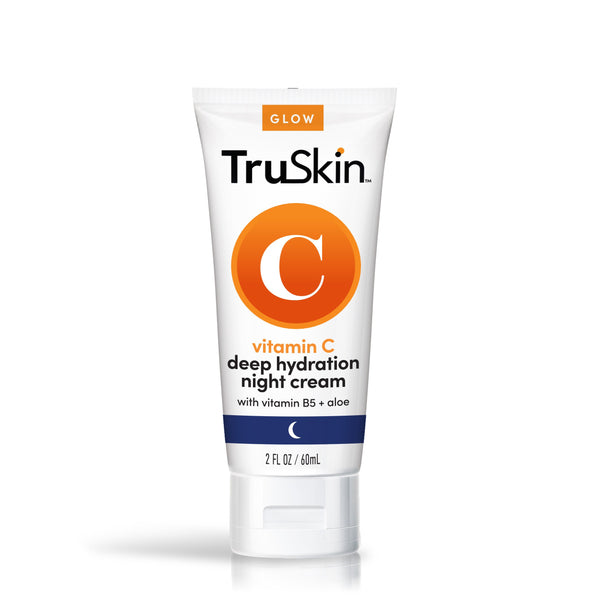
Humectants such as glycerin, aloe and hyaluronic acid draw water into the skin like a sponge; emollients like jojoba oil and squalane soften the skin and smooth over cracks, while occlusives like shea and cocoa butters form a physical barrier on the surface of your skin. Our awesome trio of moisturizers (Vitamin C Brightening Moisturizer, Deep Hydration Night Cream and Retinol Moisturizer) all contain a fabulous combination of humectants, emollients and occlusives. Win. Win. Win.
Finally, Don’t Expect Your Skin To Cheer Up Overnight
Healing your skin barrier isn’t something that can be achieved with the click of your fingers. Far from it. It’ll more likely take somewhere between two and four weeks to truly see stronger, happier skin.
Patience is a virtue, people.
Is Your Skin In Its Happy Place?
read more -
![Our Best Advice For Dealing With Acne Scars]()
Getting to grips with acne scars is not as hard as you think. You just need to know where to turn.
Whether you have scars from teenage acne or are worried your adult acne could be causing your skin long-term harm, here’s everything you need to know in order to stay ahead of the acne scarring game.
Firstly, what causes acne scars? Well, they’re the result of inflammation in the skin due to pimples and blemishes. Breakouts occur when a build-up of excess oils, dead skin cells, dirt and bacteria clogs up your pores making them swell and cause damage to the follicles, tissues and skin around them. When pimples heal, your skin goes into serious repair mode, producing collagen in various quantities in an attempt to get it structurally, functionally and aesthetically back to ‘normal’. Sadly, this doesn’t always work out as well as you’d like and often your skin produces either too much or too little collagen, resulting in bumpy or pitted skin – otherwise known as acne scars.
It’s important, however, to know that not all acne scars are created equal…
What Are The Different Types Of Acne Scars?
Many pimples come and go without leaving you scars to prove they’ve ever been there. But this is not always the case. Even if you’ve left well alone and not so much as touched a pimple, let alone squeezed, picked or prodded it, it can still cause long-term scarring. According to the American Academy of Dermatology (AAD) whether or not your acne leaves a scar is down to a number of things. Inflammatory acne, for example, which is deep, red and painful is way more likely to scar than a less serious-looking pimple – especially if left untreated. And then there are your genes. Say no more…
Acne scars also come in two different guises.
1. Atrophic Acne Scars
Atrophic scars include any kind of acne scar that’s depressed below the surface of your skin. They occur when the healing process produces too little collagen, causing a pit, dent or ‘hole’ in your skin. Atrophic scars come in all different shapes in sizes but usually fall into one of three categories: ice pick scars (narrow, almost pin-like looking scars); boxcar scars (slightly wider and rounded); or rolling scars (which create wave-like depressions across the surface of your skin).
2. Hypertrophic Acne Scars
While less common than atropic acne scars, hypertrophic acne scars are thickened areas of skin that are raised and often itchy. They occur when too much collagen is produced during the healing process and scar tissue consequently builds up above the surface. This type of acne scar is more likely to appear on your chest, back or shoulders than on your face. Which is something, at least.
Then there’s post-inflammatory hyperpigmentation (PIH) which isn’t actually scarring at all, but a whole other business. PIH is a type of discoloration that appears when some kind of trauma – in this case, acne – causes your skin to overproduce melanin and leaves you with a dark or uneven patch of skin. Unlike acne scars, PIH isn’t pitted or raised and often heals with good sun protection and the use of topical antioxidant treatments like Vitamin C Facial Serum. Let’s put a pin in PIH for now…
Why Prevention Is Always Better Than Cure
The sad news is that acne scars are notoriously hard to get rid of. Which is why avoiding acne in the first place with a gentle cleansing, balancing and moisturizing routine is super important. Our Charcoal Clarifying Cleanser is a great choice for keeping your skin clean and clear of pore-clogging debris, and try Retinol Moisturizer to improve cell turnover and keep your skin healthy and moisturized.
Of course, you can never tell if a pimple will scar or not, but if you do get one, avoid picking at it because this really won’t help. Instead, stop it from getting worse by spot treating with Tea Tree Super Serum+. This smart treatment contains salicylic acid and tea tree oil to keep your pores clean, plus healing aloe and hydrating hyaluronic acid to stop your skin from drying out. Also, look out for anti-inflammatory ingredients across your whole regime – think ceramides, green tea, chamomile and niacinamide (oh, hi there Niacinamide Serum).
How To Help Treat Acne Scars
Too late to employ the ‘prevention is better than cure’ rule? Don’t sweat it, there are still plenty of options for helping to treat, fade or smooth out existing acne scars.
At Home
Unfortunately, skincare alone can’t totally heal acne scars. However, some things will certainly help fade discoloration and give your skin a smoother appearance. Gentle exfoliation, for one, is a great way to improve your skin’s texture by sloughing away dead skin cells and improving cellular turnover. Facial scrubs are the obvious choice, but chemical exfoliation is also very effective. Again, our salicylic acid-enriched Tea Tree Super Serum+ is a great shout, but if you’re applying it all over, use it just two or three times a week – it’s potent stuff.

Make sure your routine also contains retinol in some form. As well as helping to speed up collagen production and cell regeneration for healthier, smoother skin, retinol is fabulous for fading uneven skin tone. Try our Retinol Facial Serum in the evenings when you’re not using your tea tree serum.
At The Derm’s Office
Serious acne scars are going to need more than great skincare, so if yours are getting you down and won’t go away, pay a visit to your dermatologist for advice on how best to treat your particular concerns. Dermabrasion, microdermabrasion and chemical peels are awesome for resurfacing your skin and encouraging fresh, new skin cells to grow, whereas dermal fillers can significantly help reduce the appearance of pitted, atrophic scars. You could also try laser resurfacing, microneedling or even surgery.
The options as they say, are endless.
Our Best Advice For Dealing With Acne Scars
read more -
![5 Ingredients Dry Skin Can’t Live Without]()
What can you do to counteract dry skin and the flakiness, itching and irritation that often comes as part of the package? Well, we believe what you put on your skin can make a real, difference…
If you have dry skin you’ll know that finding an awesome moisturizer is like discovering your perfect hairdresser. A veritable ‘eureka moment.' But not an easy one to accomplish, that’s for sure. So, why is this the case? Well, it’s confusing business. Firstly, skincare ingredients come and go thanks to technology, trends and the opinions of influencers and A-listers. Remember when snail slime was the future of ageless skin? Yeah, it didn’t last. Also, dry skin can be sensitive to certain ingredients, taking umbrage to the likes of synthetic fragrances, sulfates, parabens and the like, making it hard to find products that don't make your skin sting or become irritated.
This is why we believe it’s super important to know which ingredients to look out for when moisturizing dry skin. Not the fleeting ones that don’t stand the test of time (here's looking at you again, snail slime), but the tried, tested and trusted ingredients that derms have been recommending for decades. Because a) they work and b) well, they work.
But first things first, let’s talk about dry skin…
What Is Dry Skin?
Dry skin, dehydrated skin: same difference, right? Wrong. Dehydrated skin is a temporary condition that any skin type (yes, even oily) can experience and occurs when skin is lacking in water. Dry skin, however, is a whole other ball game. Dry skin is a true skin type like oily, combination and the elusive ‘normal’ skin and it means your skin is lacking in natural oils, NOT water. This dryness is likely to affect your entire body and it’s something you’re born with and will live with your whole life. Sure, it may improve or worsen depending on things like the season, your age or the time of the month, and yes, you can relieve dryness with great skincare products, but all in all, dry skin is for life.
How To Moisturize Dry Skin
Let’s get one thing straight, moisturizing ingredients and hydrating ingredients are not one and the same. Hydrating ingredients add water (hydration) to your skin and include the likes of hyaluronic acid, glycerin and aloe vera, whereas moisturizing ingredients are those that lock water into the skin by providing a protective layer on the surface to help prevent transepidermal water loss (TEWL). Moisturizing ingredients are the most important for dry skin types, but often dryness and dehydration come hand in hand, so a great skincare kit should always include a combination of both.
Today, however, we’re concentrating on the best moisturizing ingredients. And in no particular order, here are our top five…
1. Ceramides
Ceramides are fatty acids that make up around 50 percent of your skin’s composition and are found in the skin’s protective barrier, the stratum corneum. Ceramides are super important to the health of your skin because they act like glue to hold your skin cells together, keeping moisture in and irritants out. Kind of like your body’s own natural moisturizer. Of course, like many good things in life, you lose ceramides as you age. Your levels also take a hit from things like cold, dry air; a poor diet and harsh skincare products that strip your skin of oils.
This is why ceramides are up there as some of, if not the most important ingredients for strengthening your skin’s barrier function and simultaneously moisturizing dry skin.
2. Palmitates
Just because ingredients like ethyhexyl, cetyl and ispopropyl palmitate are tricky to pronounce (and even harder to spell!), this doesn’t make them the bad guys. Far from it. In fact, these palmitates are extremely useful for treating and conditioning dry skin. They come under the umbrella of emollients which are types of ingredients (whether natural or synthetic) that soften and moisturize dry skin by filling in and repairing cracks on the surface to help prevent water loss and keep your skin healthy and free from irritation. Not to be sniffed at, people.
3. Plant Oils
We’re major fans of botanical oils like coconut, jojoba and sunflower for their natural ability to work wonders on all skin types. Like palmitates, they’re super effective emollients, but some oils also have occlusive properties which is an absolute must for dry skin.
Occlusives work by leaving a thin coating on the top layer of your skin which traps in water and other hydrating ingredients, so your skin can make the most of all that moisture and nourishment all day long. Rich oils like coconut and olive can feel a little heavy if you have oily or acne-prone skin. However, they’re awesome for dry or irritated skin whose barrier function needs a little helping hand.
Plant oils are also rich in nutrients and antioxidants, so they’re great for protecting your skin from oxidative stress while strengthening and repairing your skin. Big win.
4. Shea Butter
As butters go, shea is top of the class.
Shea butter is a fat that’s extracted from the nut of the African shea (or karite) tree. Not only is it rich in fatty acids like stearic, oleic and lineoleic which gives it outstanding emollient powers, but shea butter is also an anti-inflammatory making it a beauty for healing a compromised barrier function.
Unlike cocoa butter which can be too rich for some skin types – especially on the face – shea butter is light, easily absorbed and non-comedogenic which means it’s less likely to clog your pores and cause breakouts. But don’t think this makes it any less effective when it comes to moisturizing dry skin. Shea butter is a real winner and is also packed with vitamins and anti-inflammatory compounds to further repair damaged skin. It's so good, it may even help soothe and treat eczema.
5. Vitamin E
Often seen on skincare labels as tocopherol, tocopheryl acetate or alpha-tocopheryl acetate, vitamin E is one of our favorite ingredients and up there with the likes of vitamin C and retinol as a must for any successful regime. Why is it so great for dry skin? Well, it’s an anti-inflammatory and an antioxidant so helps repair, soothe, protect and heal the skin’s delicate barrier function. But what’s most impressive is that it has a smart way of combining both humectant and emollient qualities all into one. This means it can draw water into your skin like a sponge, AND hold it there. Some experts believe it has the ability to retain moisture for up to 16 whole hours. Wowza.
An oldie, but a real goodie.
5 Ingredients Dry Skin Can’t Live Without
read more -
![Why A New Year Calls For New Skin]()
A brand new year means it’s out with the old and in with the new. Skin that is.
‘New’ skin might sound like a fantasy, but there’s actually some truth in the idea of new and old skin… and yes, you can absolutely enhance your newest skin cells while nudging the old ones to politely get out of town.
Here’s the thing about your skin – it’s regularly exposed to the slings and arrows of the environment which means it needs to constantly regenerate to ensure it functions to the best of its ability. And its functions are vital. Among other things on its huge resumé are things like regulating your body’s internal temperature, protecting your internal organs, preventing serious injury and shielding you from harmful things like extreme temperature, toxins and nasty germs. No biggie, right? Ha, au contraire. Without your skin, you would literally cease to exist. End of.
So, What Does Skin Regeneration Mean?
Well, it’s pretty simple. Skin cells are created… and then they die, becoming nothing but dust on your baseboards. You actually lose between 30,000 and 40,000 skin cells every minute (*immediately vacuums entire house from top to bottom). Yes, this means skin cell regeneration is a massive operation.
The science is as follows. Your skin is comprised of three main layers. Starting at the base you’ve got the hypodermis (AKA the subcutaneous layer) which consists mainly of fatty tissue and attaches your skin to the muscles and tissues below to provide essential insulation and cushioning. Then, you have the dermis which is where all the action takes place. Collagen and elastin fibres are produced in the dermis, alongside your sebaceous glands, blood vessels, hair follicles, nerve ending and sweat glands.
Finally, on the surface is the protective but paper-thin epidermis. This is the bit you see and it gives your skin its color while keeping water in and toxins out.
It’s here at the epidermis that your visible skin cells are created and get slowly pushed to the surface as they get harder, flatter and drier. Once they arrive at the uppermost layer – the stratum corneum if you want to get fancy – these cells die, shed and are immediately replaced by new skin cells going through the exact same process right behind them. This cycle takes between around four or five weeks in an average, middle-aged adult.
What Happens To The Life Cycle Of Your Skin As You Age?
One guess: it slows down. Big surprise, right? While the average life cycle of a skin cell is around 28 days during your 30s, once you get past 40 and into your 50s it slows down to around 50-60 days. It can even last as long as 90 days after the age of 60 which is why your skin becomes less bright, fresh, soft and supple as you age. For the most part, your genes determine the life cycle of your own personal skin cells, but things like sun damage, pollution, a poor diet, stress and a cruddy skincare routine will also have a big impact on the rate at which your skin turns over.
And this is where you come in…
3 Of The Best Ways To Embrace Your Newest Skin
Leaving your skin’s natural turnover process to its own devices can spell disaster for the look and feel of your complexion. For one thing, the accumulation of dead skin cells can block your pores and cause breakouts galore. And then there’s the dryness, dehydration and flakiness that come hand in hand with sluggish skin. Oh, and did we mention that allowing dead skin cells to hang around longer than they’re welcome may stop your serum and moisturizer from penetrating your skin, meaning they won’t be able to work to the best of their abilities. Un. Cool.
Here, we round up three tried and trusted ways to boost the turnover of your skin and therefore embrace your best, glowiest (made-up word, right there?), newest skin ever. Happy 2022, everyone!
1. Exfoliate Regularly
Exfoliating your skin with a facial scrub, mitt or cleansing brush is a great way to wake up tired, sluggish skin and boost cell turnover. How so? Because it physically sloughs away any dead skin cells that are holding on to the surface for dear life. It’s as simple as that. Of course, physical exfoliation doesn’t come without its problems. Mainly that some people do it a) too often and b) too aggressively. The key is to go gently; avoid products that contain sharp particles like ground fruit pits or crushed nutshells, and only ever exfoliate once, maybe twice a week.
Work on damp skin and use light strokes and circular motions as you exfoliate for 30 seconds or so. Honestly, that’s really all you should need to keep your cells turning over efficiently.
2. Apply Serums That Naturally Boost Cell Turnover
Face scrubs and physical exfoliators aren’t the only way to reveal new, fresh skin: exfoliating acids also get the job done nicely – and they require no effort on your behalf as an added bonus.
Chemicals exfoliators include ingredients like glycolic, lactic, citric and salicylic acid. Often found in treatment serums, they work by breaking down the bonds that glue dead skin cells together, allowing them to naturally shed without you having to scrub them away. We’re huge fans of exfoliating acids as they offer all the benefits of physical exfoliation, but often with less damage to the surface of your skin – as long as you don’t go overboard, of course.
To ensure you don’t smother your skin with too many acids at once, try one of our carefully curated exfoliating products such as the glycolic acid-infused Ocean Minerals Super Toner or Vitamin C Super Serum+.

3. Don’t Forget Your Retinol
Retinol is another powerhouse skincare ingredient that has an exfoliating effect on the surface of your skin. While it doesn’t slough away skin cells or exfoliate in the same way as scrubs or hydroxy acids (AHAs and BHAs), retinol works by ‘communicating’ with your skin cells, boosting collagen production and encouraging your skin to turn over at a more efficient rate.
Again, if you’re looking to boost your skin’s ‘newness,’ retinol is an awesome choice, but don’t go crazy with it. Retinol is a potent ingredient and should only be used if you’ve patch tested it first, and experienced no unwanted, lasting irritations. And if you’re super sensitive, don’t go scrubbing your face, then applying glycolic acid and retinol all at once. This will do nothing but over-stimulate your skin and break down your important protective barrier which can cause real problems like inflammation, redness, itching, even flare-ups in pre-existing conditions such as acne, eczema, psoriasis and rosacea. Go slowly with retinol, applying it just once or twice a week to start with, then building to nightly as your skin acclimates.

The moral of the story is that yes, you want to embrace and enhance your new skin. But be kind as you do so. Or you might, actually you will, regret it.
Why A New Year Calls For New Skin
read more


