How Often to Reapply Mineral Sunscreen: A Scenario-by-Scenario Guide
Knowing how often to reapply mineral sunscreen is one of the most practical questions in daily sun care. The basic answer is “every two hours,” but your day rarely looks like a clean two-hour countdown. Activity level, setting, and whether you've been near water all affect how often you actually need to reapply.
This guide covers:
• The “2-hour rule,” and why it applies to mineral sunscreen
• When to reapply more often
• Settings where you have more flexibility
• How to reapply without disrupting your makeup or daily routine
Mineral Sunscreen Reapplication by Scenario
| Scenario | Reapplication | Notes |
|---|---|---|
| Direct outdoor sun exposure | Every 2 hours | UV builds up even on overcast days |
| Swimming or water activities | Immediately after | Non-water-resistant formulas need prompt reapplication |
| Heavy sweating (outdoor workout, hiking) | Immediately after | Sweat breaks down surface coverage |
| Towel drying your face | Immediately after | Physically removes product from skin |
| Office work, away from windows | Not typically needed | Minimal UV exposure in this setting |
| Near windows (home or office) | Every 4–6 hours | UVA rays penetrate glass (3) |
| Commuting or driving | Every 4–6 hours | UVA passes through car windows (3) |
| Overcast or cloudy day outdoors | Every 2 hours | Up to 80% of UV still reaches skin (4) |
| Reapplying over makeup | Every 2 hours | A lightweight serum formula layers more easily |
The Standard Rule for Outdoor Sun Exposure
Both the FDA and the American Academy of Dermatology recommend reapplying sunscreen every two hours during direct sun exposure, regardless of formula type.(1) Mineral sunscreens use zinc oxide or titanium dioxide to help deflect, scatter, and absorb UV radiation rather than relying on a chemical reaction. This makes them somewhat more stable than chemical filters, which are consumed as part of the UV-absorbing process. Even so, mineral sunscreen still breaks down with sustained UV exposure, sweat, sebum, and friction.
It's also worth understanding what SPF actually measures. SPF is a ratio: the amount of UVB radiation required to cause sunburn on protected skin versus unprotected skin.(2) A higher number means more UVB is blocked, but it does not indicate how many hours of outdoor coverage you get. That's part of why the 2-hour rule applies regardless of SPF level.
To learn more about how zinc oxide works to protect your skin, see Why Zinc Oxide Is Your Best Defense Against Sun Damage.
When to Reapply More Often
Three situations call for reapplication before the 2-hour mark: swimming, heavy sweating, and towel drying. Any of these can physically remove sunscreen from the skin's surface or break down coverage ahead of schedule.(5)
This especially matters when a formula is not water-resistant. If you swim, work out outside, or towel off your face, reapply as soon as you're dry.
For a complete walkthrough on how to apply sunscreen correctly, see Is There a Right and a Wrong Way to Apply Sunscreen?
Reapply immediately after any of these:
• Swimming or wading
• Towel drying your face or neck
• Outdoor workouts with heavy sweat
• Any activity involving sustained water contact
When You Have More Flexibility
Not every day involves extended time in direct sun. If most of your day is spent indoors, your reapplication needs look different.
Working away from windows means minimal UV exposure. A single morning application is typically sufficient in that setting.(5) If you do work near windows, the picture changes. UVA rays pass through glass, and these are the rays most closely tied to premature aging, including fine lines and uneven tone.(3) If you sit close to a window at home or at work, or spend a meaningful amount of time driving, a mid-day reapplication every four to six hours is a reasonable step to take.
Cloudy days spent outdoors also call for the full 2-hour rule. Research suggests up to 80% of UV rays reach the skin even through cloud cover.(4)
| Setting | UV Risk Level | Recommended Approach |
|---|---|---|
| Outdoors, direct sun | High | Every 2 hours |
| Outdoors, overcast | Medium-high | Every 2 hours |
| Driving or near windows | Low-medium | Every 4–6 hours |
| Indoors, away from windows | Low | Morning application typically sufficient |
How to Reapply Mineral Sunscreen Without Disrupting Your Routine
For many people, the real barrier to reapplication isn't forgetting, but logistics. Thick mineral creams can be hard to layer mid-day, especially over makeup. A lightweight serum-format sunscreen changes that.
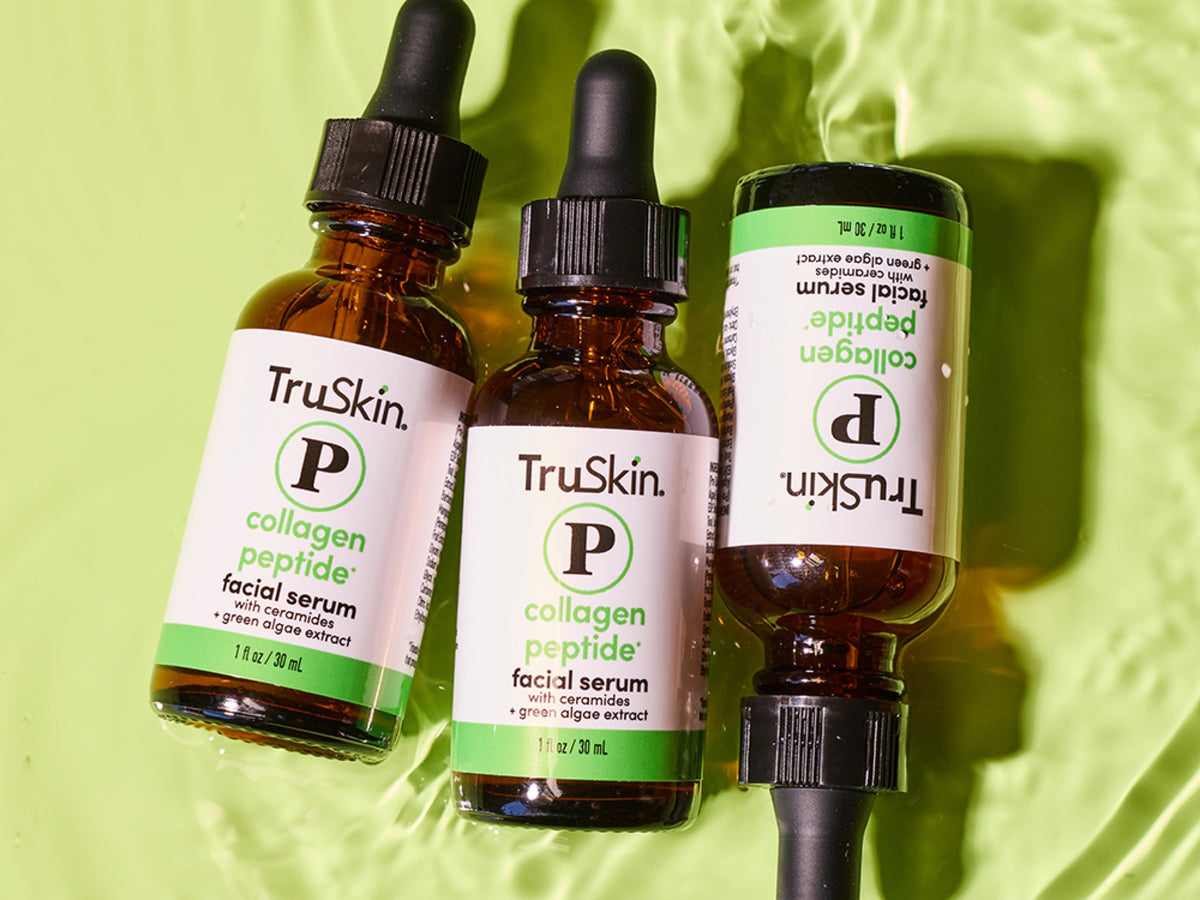
TruSkin's SPF 30 Mineral Sunscreen Facial Serum is a strong option here. It's a non-greasy, fast-absorbing formula with a sheer, universal tint that blends seamlessly into all skin tones. Unlike heavier mineral creams, it sits lightly on the skin without looking oily or adding a heavy finish, making mid-day facial reapplication easier to work into your day.
Here's a simple approach for reapplying on the face:
1. Blot any excess oil or sweat with a clean tissue.
2. Shake the bottle well before use.
3. Apply 3 to 5 drops to clean fingertips.
4. Gently smooth over your face and neck.
5. Allow to absorb fully before applying any makeup on top.
If you're working with a full makeup look, the most practical approach is to plan reapplication around a natural break, like before heading out for lunch or before going back outside in the afternoon.
Frequently Asked Questions
Does mineral sunscreen last longer than chemical sunscreen?
Mineral filters are more stable under UV light than chemical filters, which are consumed in the UV-absorbing process. In real-world use, both types need to be reapplied every two hours during outdoor sun exposure. The difference in stability doesn't change that standard.
How much sunscreen should I apply/reapply?
For the face and neck, a general guideline is roughly one-quarter teaspoon (about the size of a nickel). Your reapplication should match your initial application in amount. The AAD notes that most people apply less than the recommended amount, which reduces the actual SPF protection your skin receives.(1) When in doubt, apply a little more, rather than less.
Do I need to reapply on cloudy days?
Yes. Research suggests up to 80% of UV rays still reach the skin through cloud cover.(4) The 2-hour rule applies on overcast days just as it does in full sun.
Can I mix my mineral sunscreen with moisturizer to make reapplication easier?
It's best to keep them separate. Mixing sunscreen with another product dilutes the formula and lowers its effective SPF coverage. Apply moisturizer first, allow it to absorb, then apply sunscreen as its own step.
Knowing How Often to Reapply Mineral Sunscreen Makes a Real Difference
Consistent reapplication is one of the simplest ways to protect your skin over time. Two hours is your baseline for outdoor use. Adjust based on activity level, how close you are to windows, and whether you've been near water. The easier your sunscreen is to layer, the fewer reasons you have to skip it.
Shop TruSkin Mineral Sunscreens
Sources
1. American Academy of Dermatology. "Sunscreen FAQs." https://www.aad.org/public/everyday-care/sun-protection/sunscreen-patients/sunscreen-faqs
2. U.S. Food and Drug Administration. "Sun Protection Factor (SPF)." https://www.fda.gov/about-fda/center-drug-evaluation-and-research-cder/sun-protection-factor-spf
3. Skin Cancer Foundation. "UV Radiation." https://www.skincancer.org/risk-factors/uv-radiation/
World Health Organization. "Ultraviolet Radiation." https://www.who.int/news-room/fact-sheets/detail/ultraviolet-radiation
4. Houston Methodist. "How Often Should You Reapply Sunscreen?" May 2024. https://www.houstonmethodist.org/blog/articles/2024/may/how-often-should-you-reapply-sunscreen/