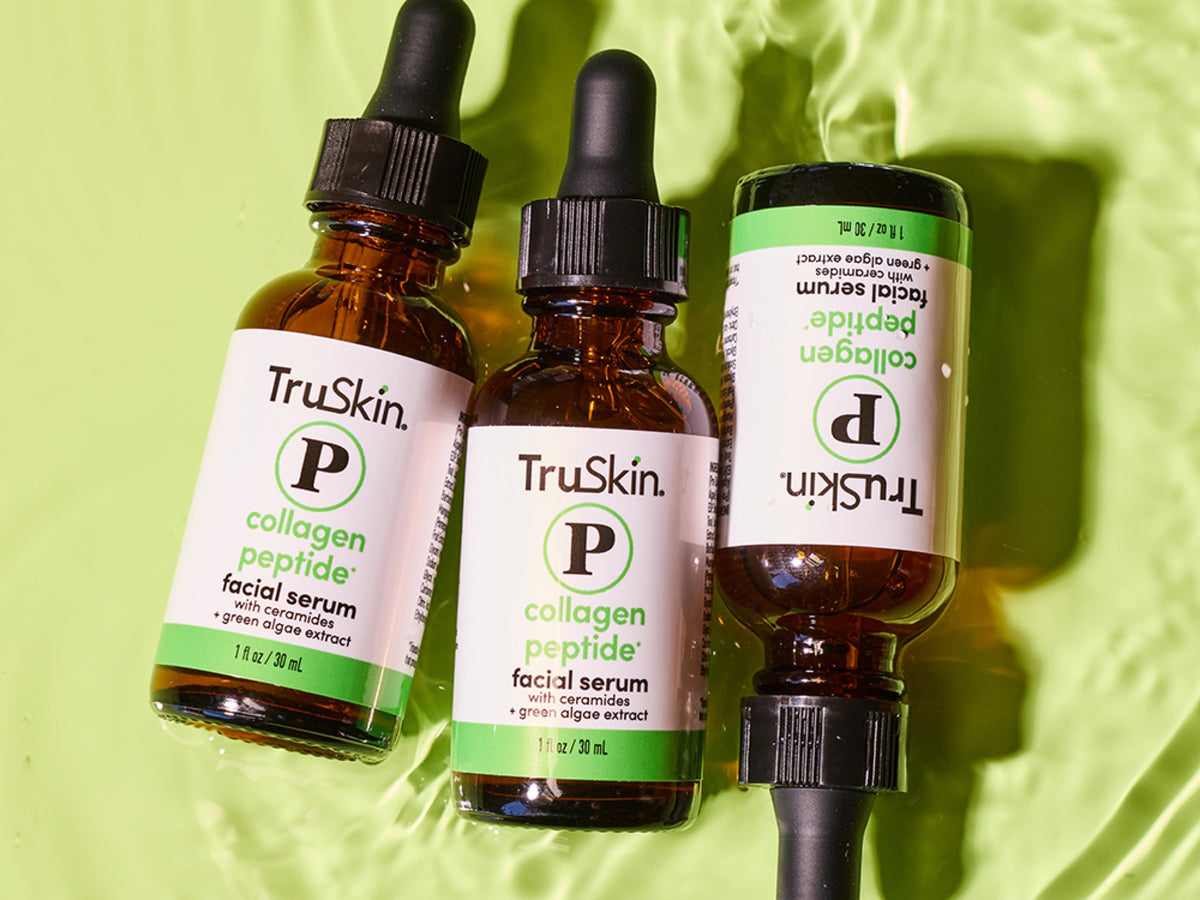
In February 2026, we compiled pricing data for vitamin C serums across Amazon, Sephora, Ulta Beauty, Target, Walmart, and Dermstore. Our analysis examined products from budget options to luxury formulations, tracking price variation by concentration level, package size, and formulation type. The following data reveals how vitamin C serum pricing breaks down across market categories.
Average Price of Vitamin C Serum by Category
Analysis of current vitamin C serum pricing reveals four distinct market tiers, each serving different consumer needs and quality expectations.
Table: Average Price of Vitamin C Serum by Market Category — 2026
| Price Category | Price Range | Average Price | Example Brands |
|---|---|---|---|
| Budget/Drugstore | $25 and Under | $17 | The Ordinary, CeraVe, Good Molecules, Minimalist |
| Mid-Range | $26-$50 | $36 | TruSkin, Mad Hippie, La Roche-Posay, Naturium |
| Premium | $51-$100 | $74 | Drunk Elephant, Dermalogica, Clarins, Glow Recipe |
| Luxury/Clinical | $101-$185+ | $142 | SkinCeuticals, Joanna Czech, Barbara Sturm |
Key Insights:
Mid-range products offer the best value proposition: The $26-$50 category represents 40% of available vitamin C serums at major retailers, suggesting consumers prioritize efficacy over prestige pricing while avoiding the cheapest formulations. Brands like TruSkin and Naturium offer 1-ounce sizes priced just below this range, positioning them as accessible entry points to quality formulations.
Budget category delivers accessible efficacy: Brands like The Ordinary and Bubble Skincare have democratized vitamin C serum access, offering stable formulations with proven ingredients. The Ordinary's vitamin C suspensions start as low as $8, while their more complex formulations like the Ascorbyl Glucoside Solution retail for $14.80. [2]
Luxury pricing reflects clinical heritage: At $185, SkinCeuticals' C E Ferulic commands a 10x premium over budget alternatives, based on years of clinical research and exclusive dermatologist-office distribution.
Average Price by Vitamin C Concentration
Concentration level significantly impacts vitamin C serum cost, though higher percentages don't always deliver proportionally better results for most skin types.
Table: Vitamin C Serum Pricing by Active Ingredient Concentration — 2026
| Concentration Level | Average Price | Price Range | Common Formulation Type | Typical Use Case |
|---|---|---|---|---|
| 5-10% (Beginner) | $19 | $10-$30 | Ascorbyl Glucoside, SAP | Sensitive skin, first-time users |
| 10-15% (Standard) | $38 | $15-$68 | L-Ascorbic Acid, SAP | Daily brightening, maintenance |
| 15-20% (Advanced) | $62 | $25-$140 | L-Ascorbic Acid, THD | Hyperpigmentation, anti-aging |
| 20-23% (Clinical) | $88 | $28-$185 | Pure L-Ascorbic Acid | Dermatologist-recommended regimens |
Key Insights:
The 10-15% sweet spot dominates retail: Products in this concentration range represent over half of vitamin C serums at major retailers, reflecting dermatologist consensus that this level provides optimal benefits without excessive irritation risk.
Gentler derivatives cost 30% less: Vitamin C serums using sodium ascorbyl phosphate (SAP) or ascorbyl glucoside average $19-$23, compared to $28-$35 for equivalent-strength L-ascorbic acid formulations (a trade-off between gentleness and immediate potency).
Clinical concentrations carry formula complexity premiums: The 20%+ category's $88 average reflects stabilization challenges. Pure L-ascorbic acid oxidizes rapidly, requiring expensive packaging (opaque, airless pumps) and pH-balanced delivery systems that budget brands often can't support.
Average Price by Retailer Channel
Where you purchase vitamin C serum significantly affects price points and product selection, with vitamin C serum pricing varying dramatically between channels.
Table: Average Vitamin C Serum Prices by Retail Channel — 2026
| Retail Channel | Average Price | Lowest Price Found | Highest Price Found |
|---|---|---|---|
| Amazon | $32 | $9 | $185 |
| Sephora | $56 | $14 | $185 |
| Ulta Beauty | $41 | $10 | $165 |
| Drugstores (CVS, Walgreens, Target) | $22 | $9 | $45 |
| Direct-to-Consumer Brands | $44 | $14 | $140 |
Methodology note: Prices reflect standard retail pricing as of February 2026, excluding promotional sales, subscription discounts, or Target Circle offers. [2,3,4]
Key Insights:
Amazon's range spans 20x from low to high: The platform's $9-$185 spread reflects its marketplace model where budget indie brands (Minimalist, Good Molecules) coexist with prestige lines, making it both the most competitive and most confusing shopping destination. [3]
Sephora commands a 155% premium over drugstores: Average pricing at Sephora versus Target reflects the prestige positioning strategy. Consumers pay for curated selection, in-store consultation, and brand cache, not necessarily superior formulations.
DTC brands price at mid-range with subscription hooks: Direct-to-consumer vitamin C serums average $44, positioning between drugstore and prestige. Most offer 15-20% subscription discounts that lower effective prices to $35-$37, directly competing with mid-tier retail brands.
Price by Package Size
Package size creates significant per-ounce price variation, though vitamin C serum stability concerns complicate "buy big, save more" logic.
Table: Vitamin C Serum Cost Per Ounce by Package Size — 2026
| Package Size | Average Total Cost | Cost Per Ounce | Typical Usage Duration |
|---|---|---|---|
| 0.5 oz (15ml) | $24 | $48/oz | 4-6 weeks |
| 1.0 oz (30ml) | $42 | $42/oz | 8-12 weeks |
| 1.7 oz (50ml) | $64 | $38/oz | 12-16 weeks |
| 2.0 oz+ (60ml+) | $78 | $39/oz | 16-20 weeks |
Key Insights:
The 1-ounce bottle dominates for good reason: This size represents 68% of vitamin C serums at Target and Ulta, balancing cost efficiency with the 3-6 month shelf-life window after opening. Larger bottles often oxidize before they're finished, wasting the savings. [2,3]
Travel sizes carry a convenience premium: Half-ounce bottles ($48/oz) cost more per ounce than standard sizes ($42/oz), targeting consumers who want to test products before committing or need TSA-compliant packaging for travel.
Bulk sizing offers modest savings: The 2-ounce category's average pricing per ounce is only slightly better than the standard 1-ounce size, and savings only make sense for vitamin C derivatives (ascorbyl glucoside, SAP) that remain stable for 9-12 months. Pure L-ascorbic acid serums should be purchased in smaller sizes to ensure efficacy and freshness.
Vitamin C Serum Price by Brand Positioning
Brand heritage and marketing positioning create price stratification that doesn't always correlate with formulation quality. Understanding how much vitamin C serum costs across brand categories helps consumers make informed decisions.
Table: Vitamin C Serum Pricing by Brand Category — 2026
| Brand Category | Price Range | Average Price | Brand Examples | Primary Sales Channel |
|---|---|---|---|---|
| Indie/DTC Clean Beauty | $14-$48 | $28 | TruSkin, Naturium, Cocokind, Bubble | Amazon, Target, brand websites |
| Mass/Drugstore | $12-$30 | $21 | CeraVe, Vanicream, Good Molecules, e.l.f. | CVS, Walgreens, Target, Walmart |
| Prestige Beauty | $48-$125 | $76 | Drunk Elephant, Dermalogica, INDIE LEE, Glow Recipe | Sephora, Ulta, Nordstrom |
| Dermatologist/Clinical | $95-$185 | $148 | SkinCeuticals, iS Clinical, Obagi | Dermatologist offices, Dermstore |
| K-Beauty/International | $10-$30 | $18 | SOME BY MI, Mixsoon, Dr. Althea | Amazon, Ulta, YesStyle |
Key Insights:
DTC clean beauty brands disrupt mid-range pricing: TruSkin and Naturium leverage Amazon and mass retail distribution to undercut traditional prestige brands by 40-60% while maintaining "clean" ingredient positioning that resonates with millennial and Gen Z consumers. [2]
K-Beauty imports deliver exceptional value: Korean vitamin C serums like SOME BY MI and Mixsoon offer advanced formulations at budget prices, benefiting from South Korea's competitive skincare market and lower manufacturing costs. The K-Beauty category averages $18, making it the most affordable segment. [3,4]
Clinical brands justify premiums through professional channels: SkinCeuticals and iS Clinical maintain premium pricing by distributing primarily through dermatologist offices and medical spas, where professional recommendation adds perceived value beyond the formulation itself. [4]
In Closing
For skincare brands seeking to understand competitive positioning, or consumers looking for data-driven purchase guidance, this report provides market intelligence on a category experiencing rapid democratization. The data reveals a market where efficacy and price have largely decoupled: consumers can access proven vitamin C formulations from affordable brands, while prestige and clinical categories command 3-10x premiums based on brand heritage, packaging, and distribution channels rather than demonstrably superior results.
If you'd like more insights on vitamin C serums and evidence-based skincare guidance, explore TruSkin's blog for further education and clinical research summaries.
Sources
First Page Sage/TruSkin — "Vitamin C Serum Pricing Analysis" — Research Team: First Page Sage — Date: February 2026 — Note: Original pricing data compiled from Amazon, Sephora, Ulta Beauty, Target, Walmart, and Dermstore retailer websites
Target — "Vitamin C Serum Product Listings" — Accessed: February 2026 — https://www.target.com/s/vitamin+c+serum
Ulta Beauty — "Vitamin C Face Serums" — Accessed: February 2026 — https://www.ulta.com/shop/skin-care/treatment-serums/face-serums?preference=vitamin+c
Dermstore — "Vitamin C Serums for Face" — Accessed: February 2026 — https://www.dermstore.com/c/ingredient/vitamin-c/serums/